

Southbound Capital Inflows: In-depth Analysis of Hong Kong Stock Market Fund Flows and Investment Strategies
Southbound Capital Inflows: In-depth Analysis of Hong Kong Stock Market Fund Flows and Investment Strategies
On August 18, 2026, the Hong Kong stock market continued to show a net capital inflow trend, with southbound capital remaining active for consecutive days, a phenomenon that has attracted widespread market attention. As a bridge connecting the mainland and Hong Kong capital markets, the flow of southbound capital not only reflects investors' confidence in the Hong Kong stock market but also provides important liquidity support to the market. This article will conduct an in-depth analysis of the characteristics of current Hong Kong stock market fund flows, driving factors, and their implications for investment strategies.
I. Overview of Current Hong Kong Stock Market Fund Flows
According to the latest data, as of August 18, southbound capital has achieved net purchases for 11 consecutive trading days through the Hong Kong Stock Connect program, with a cumulative net inflow exceeding 30 billion Hong Kong dollars. This data indicates that despite increasing volatility in global markets, mainland investors' interest in the Hong Kong stock market remains strong. Meanwhile, international capital allocation in the Hong Kong stock market also shows a divergent trend, with some technology sectors receiving foreign capital favor while traditional industries face certain capital outflow pressure.
From a capital structure perspective, southbound capital mainly flows into the following areas: first, large blue-chip stocks with stable dividends, such as Tencent Holdings and China Mobile; second, technology stocks with relatively low valuations and growth potential; third, consumer sectors benefiting from mainland policy support. This capital allocation pattern reflects mainland investors' balanced considerations in terms of risk appetite and return expectations.
II. Main Driving Factors of Capital Flows
The continuous inflow of southbound capital into the Hong Kong stock market is driven by multiple factors working together:
- Obvious Valuation Advantages: Compared with A-shares, the overall valuation of the Hong Kong stock market remains at a relatively low level, with the Hang Seng Index's P/E ratio below the historical average, providing a better safety margin for long-term investors.
- Narrowing A-H Premium: With the continuous improvement of the interconnection mechanism between the two markets, the premium rate between A-shares and H-shares has gradually narrowed, enhancing the relative investment value of Hong Kong stocks.
- Policy Support: The mainland continues to promote the opening-up of the capital market, optimizing the Hong Kong Stock Connect mechanism, providing more convenient investment channels for southbound capital.
- Improvement in Corporate Fundamentals: The performance of some listed companies in Hong Kong has exceeded expectations, especially the improved profitability of leading enterprises in the technology and consumer sectors, enhancing market attractiveness.
- Exchange Rate Factors: The relative stability of the RMB against the Hong Kong dollar reduces the impact of exchange rate fluctuations on investment returns.
III. Capital Flow Characteristics in Different Sectors
From a sector perspective, the Hong Kong stock market shows clear structural characteristics:
1. Technology Sector: Continuous Capital Inflows
Technology stocks have become a key allocation target for southbound capital. Leading companies in artificial intelligence, cloud computing, semiconductors and other sectors have received capital favor. For example, internet giants like Tencent Holdings and Alibaba have recently received net purchases from southbound capital. This trend mainly benefits from the dual positive factors of improved fundamentals in the technology industry and policy support.
2. Consumer Sector: Obvious Capital Differentiation
The consumer sector shows clear internal differentiation. High-end consumer brands and consumer necessities continue to receive capital inflows, while the discretionary consumption sector faces certain capital outflow pressure. This differentiation reflects investors' cautious attitude toward the consumer industry in the current economic environment.
3. Financial Sector: Highlighted Allocation Value
With changes in the interest rate environment, the financial sector has regained investor attention. Banks, insurance and other traditional financial institutions have attracted the attention of value-oriented investors with their stable dividend yields and relatively low valuations.
4. New Energy Sector: Increased Capital Volatility
The new energy sector has recently experienced greater volatility in capital inflows, reflecting market分歧 over the industry's prospects. On one hand, the global energy transition trend provides long-term support for industry development; on the other hand, short-term overcapacity and increased competition have caused investor concerns.
IV. Impact of Capital Flows on the Market
Changes in capital flows have had multiple impacts on the Hong Kong stock market:
- Enhanced Market Stability: The continuous inflow of southbound capital provides stable financial support to the Hong Kong stock market, reducing market volatility and enhancing market resilience.
- Highlighted Structural Market Performance: Capital concentration in specific sectors has led to obvious structural market performance, with increasing differentiation among different sectors.
- Valuation Restructuring: Changes in capital flows drive the restructuring of market valuation, with quality assets receiving valuation premiums while less competitive companies face valuation pressure.
- Increased Market Activity: Capital inflows have driven an increase in market trading volume, enhancing market activity and providing investors with more trading opportunities.
V. Investment Strategy Recommendations
Based on the characteristics of current Hong Kong stock market fund flows, investors can consider the following strategies:
1. Focus on Sectors with Continuous Capital Inflows
Investors should focus on sectors that continue to receive southbound capital inflows, such as technology, consumer leaders and the financial sector. These sectors not only benefit from capital support but also have relatively solid fundamentals and high investment value.
2. Use ETFs for Diversified Investment
For investors not familiar with individual stock selection, diversified investment can be achieved through Hong Kong stock ETFs. The expansion of Hong Kong Stock Connect ETFs provides more options, including Hang Seng Technology ETF, Hang Seng Consumer ETF, etc., which can help investors efficiently seize opportunities brought by capital flows.
3. Focus on High-Dividend Assets
In the current market environment, assets with stable dividend capabilities deserve attention. Southbound capital's preference for high-dividend stocks indicates that such assets have strong defensive characteristics and attractiveness in the current market environment.
4. Seize Structural Opportunities
Changes in market capital flows often signal the emergence of structural opportunities. Investors should closely monitor changes in capital flows and adjust their investment portfolios in a timely manner to seize market structural opportunities.
5. Pay Attention to Risk Control
Although the overall market capital flows are positive, investors still need to pay attention to risk control. It is recommended that investors allocate assets reasonably according to their own risk tolerance and avoid excessive concentration in a single sector or individual stock.
VI. Conclusion and Outlook
Overall, the fund flow situation in the Hong Kong stock market in August 2026 shows a positive trend, with continuous southbound capital inflows providing strong support to the market. This trend reflects mainland investors' recognition of the value of the Hong Kong stock market and also brings structural opportunities to the market.
Looking ahead, with the deepening of the mainland's capital market opening-up, southbound capital is expected to remain active. Meanwhile, international capital allocation to Hong Kong stocks may also adjust with changes in the global economic situation. Investors should closely monitor changes in capital flows, flexibly adjust investment strategies, and seize market opportunities.
For Thai investors, changes in Hong Kong stock market fund flows also provide valuable references. By understanding the characteristics of Hong Kong stock market fund flows, Thai investors can better understand market trends, optimize cross-border investment strategies, and achieve diversified asset allocation and long-term appreciation.
In conclusion, Hong Kong stock market fund flows are an important indicator of market sentiment and investment direction. Investors should closely monitor changes in this indicator, combine fundamental and technical analysis of the market, formulate appropriate investment strategies, and obtain stable investment returns in the Hong Kong stock market.
The content on this site is for learning and exchange purposes only. It does not provide financial services such as account opening, capital allocation, discretionary trading, insider trading, etc. Do not trust any private messages on this site that recommend stocks or follow trades.
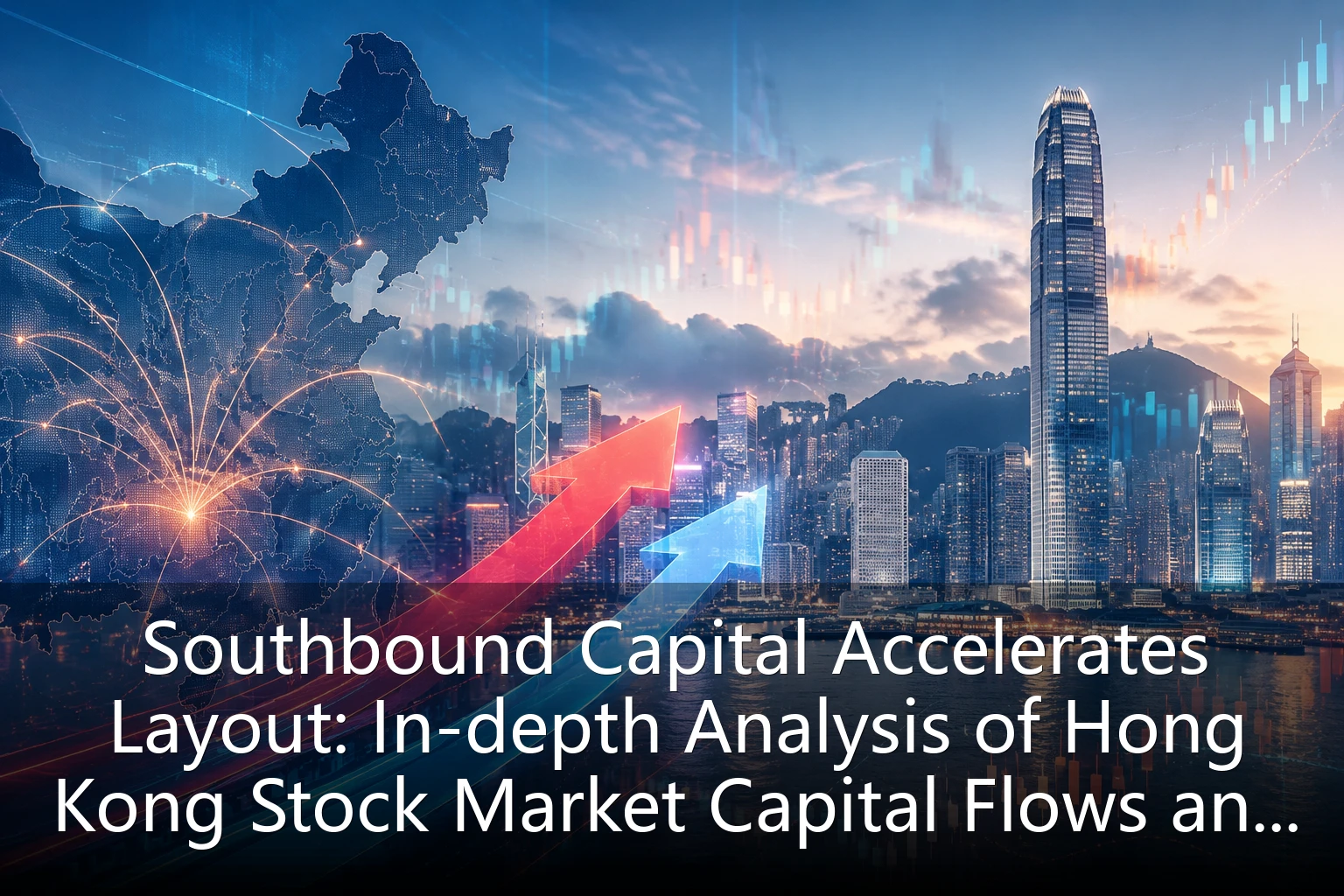
Southbound Capital Accelerates Layout: In-depth Analysis of Hong Kong Stock Market Capital Flows and Investment Strategies
2026-08-10
Hang Seng Index Rallies: Tech Stocks Lead Hong Kong Market, Southbound Funds Continue to Invest
2026-08-09
Hong Kong Stock Market Volatility Adjustment: Tech Stocks Show Clear Divergence, Hidden Implications in Capital Flows
2026-08-08